Data demonstrated that the use of PolySync increased he cumulative apnea-hypopnea index (AHI) response rate to 84.5% in patients with moderate to severe obstructive sleep apnea (OSA) when treated with its aura6000 proximal hypoglossal nerve stimulation (pHGNS) system. PolySync enables the integration of advanced, patient-specific titration at the onset of therapy.
Findings, shared at SLEEP 2026, build on outcomes recently shared from the OSPREY study, which London-based LivaNova used to support FDA approval for the aura6000 system. The approval, won in March, pits LivaNova against neurostimulators from Inspire Medical and Nyxoah. They all offer an alternative to traditional CPAP sleep respiratory systems in treating OSA.
In LivaNova’s PolySync substudy, investigators evaluated patients who failed to meet responder criteria after one year of individual-contact stimulation in OSPREY. Those patients underwent reprogramming using simultaneous-contact stimulation. The approach converted the majority of these patients into responders, significantly improving both AHI and oxygen desaturation index (ODI) outcomes.
PolySync also proved well-tolerated. Investigators saw no serious treatment-emergent adverse events and no stimulation- or device-related adverse events.
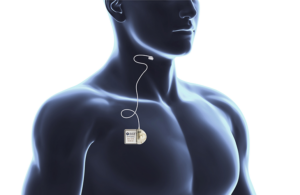
The company says PolySync builds on its differentiated pHGNS platform, which uses six electrodes placed on the proximal trunk of the hypoglossal nerve. It offers broad access to the muscles controlling the airway and a wider set of titration options. PolySync expands the variety and number of possible stimulation fields. This allows for broader and more flexible activation of lingual muscles and improved treatment responsiveness.
Commentary from LivaNova officials and investigators
Ahmet Tezal, chief innovation officer of LivaNova, said:
“These results underscore the strength of our underlying therapy and the opportunity to further enhance outcomes through innovation. OSPREY demonstrated rapid and durable clinical benefit, and PolySync shows that we can meaningfully build on that foundation by improving response rates and expanding the impact of pHGNS therapy. This reflects our ongoing commitment to advancing personalized neuromodulation for patients with Obstructive Sleep Apnea.”
Lucile Blaise, global head of commercialization, OSA, at LivaNova, said:
“The progression from strong 12-month response rates to even higher cumulative outcomes highlights the clinical potential of this platform and its ability to address a broader patient population.”
Dr. Alan R. Schwartz, the study’s lead author, said:
“These data are particularly meaningful because they demonstrate that this novel stimulation paradigm can further improve outcomes beyond that achieved with the initial response to therapy. The ability to convert non-responders into responders through optimized programming represents an important advancement in treating Obstructive Sleep Apnea.”