The studies were presented at the annual scientific meeting of the Asia Pacific Heart Rhythm Society, being held in Busan, South Korea.
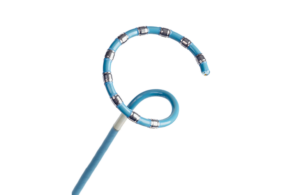
Johnson & Johnson MedTech (NYSE: JNJ) featured two studies for upcoming platforms, including what it described as the first real-world report for Varipulse Pro, an upgraded system that has not yet been approved by the FDA but is available in Europe, Latin America, Japan and other Asia Pacific markets.
Spanning 225 European patients, the VARIPURE study included people with persistent and intermittent atrial fibrillation. Offering a shorter ablation sequence compared to its predecessor, Varipulse Pro reported 100% procedural successes, with zero reports of stroke, coronary spasm, acute kidney injury or death.
The company said the system logged an average ablation duration of about 18 minutes, with a single catheter being used for both cardiac mapping and ablation in nearly 89% of cases.
J&J also presented clinical findings from a pivotal, non-randomized study of its upcoming Omnypulse focal pulsed field ablation catheter, with 82.5% of patients showing no recurrence of atrial fibrillation, flutter or tachycardia within one year.
In a global registry of 1,160 patients with atrial fibrillation, PulseSelect posted a 100% procedure success rate and a major complication rate of 0.09%.
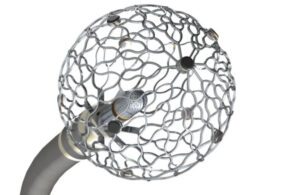
In a separate registry of Affera and Sphere-9, 1,050 patients recorded a 1.1% rate of complications, including no reports of acute kidney injury, severe coronary spasm or phrenic nerve injury, and with similar findings across de novo and repeat ablation procedures.
The latter registry also explored the use of the Sphere-9 catheter in ablations for ventricular tachycardia, an indication that carries a CE Mark but has not been approved in the U.S.
Related: Medtronic gains regulatory wins for latest cardiac ablation software
An analysis of 46 European patients with ischemic and non-ischemic sustained VT logged an 87% procedure success rate, and the company estimated six-month freedom from recurrence at 75%. The study reported six major complications in four patients.
Fellow pulsed field ablation competitors Boston Scientific and Abbott are also scheduled to present late-breaking studies at the APHRS meeting in the coming days.