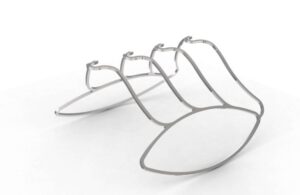
The study evaluated the safety and efficacy of the Butterfly device, a first-line interventional therapy for benign prostatic hyperplasia (BPH), also called an enlarged prostate. It enrolled 244 patients to evaluate the minimally invasive, reversible implant that mechanically retracts the lateral lobes of the prostate. The device aims to restore natural urinary flow in patients suffering from the symptoms of BPH.
Boston-based Butterfly Medical could add another BPH treatment device to the market, which recently added two. Last month, ProVerum and Zenflow announced FDA approvals for their technologies that treat BPH.
The Butterfly device currently holds CE mark, but remains investigational in the U.S. Butterfly Medical designed it to conform to the natural anatomy of the prostate. The device aims to restore urine flow without cutting, burning or removing tissue.
“This trial marks a critical step in validating the Butterfly prostatic retraction device as a safe and effective solution that avoids the limitations of early-generation BPH treatments,” said Patrick MacCarthy, CEO of Butterfly Medical. “Combined with our multi-year follow-up data presented last year, this study shows great promise for the Butterfly device as a durable, long-term solution for men suffering from the symptoms of BPH. Thanks to the support of our many clinical collaborators and of course all 244 patients, we are well positioned to address a significant unmet need in the global urology market.”

