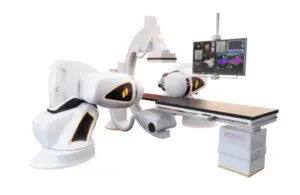
Physicians at Erasmus University Medical Center in Rotterdam used the Stereotaxis (NYSE:STXS) Genesis Robotic Magnetic Navigation System for the first time in the Netherlands.
“We have long recognized the clinical benefits of robotics, and are delighted to be the first in the Netherlands to make the Genesis robotic system available to cardiovascular patients,” said Dr. Sing-Chien Yap, director of electrophysiology at Erasmus MC. “We are impressed with the speed and responsiveness of Genesis. Combined with the MAGiC Catheter we are particularly pleased with the synergistic additive improvements to robotic magnetic navigation. These technological advances are important in ensuring we can offer the best care to all arrhythmia patients, including children, patients with congenital heart disease, and patients with complex arrhythmia.”
Erasmus MC has performed more than 4,500 procedures with Stereotaxis technology using robotic magnetic navigation for complex arrhythmias.
The Genesis system is Stereotaxis’ latest robotic magnetic navigation platform. The technology is designed to enhance precision and safety during cardiac ablation, a minimally invasive procedure for treating arrhythmias, which are abnormal heart rhythms that can increase the risk of stroke, heart failure and sudden cardiac arrest if left untreated.
“We appreciate our long-term partnership with the electrophysiology team at Erasmus,” Stereotaxis CEO David Fischel said in a news release. “We look forward to continuing to support their successful robotic program and working together to advance technological progress, scientific discovery, and clinical care.”
The procedures follow news of Stereotaxis completing the world’s first commercial procedures using the MAGiC Sweep catheter earlier this month. The company won FDA clearance for the catheter in July.

