TAP provides early and frequent strategic engagement from the FDA, patients, providers and payers. It facilitates rapid development and widespread access to medical devices.
Acceptance into the program comes on the heels of breakthrough device designation for Lithuania-based Sentante in September 2025. The company then reported a first-of-its-kind remote procedure with its platform in November 2025.
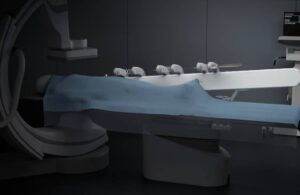
The Sentante robot is a haptic endovascular robotic platform using standard cath lab equipment, such as guidewires and catheters. These devices connect to a system equipped with a high-resolution sensory platform capturing the specialist’s hand movements.
A robot at the patient’s bedside replicates these manipulations in real-time, whether nearby or thousands of miles away. Unlike joystick-controlled surgical robots, it delivers authentic force feedback to the surgeon’s fingertips, the company says. This recreates the tactile experience of manual surgery.
The tele-operated system enables life-saving interventions from seated positions at high-resolution screens displaying X-ray imagery. This frees surgeons from radiation exposure and the physical strain of standing for prolonged periods.
Sentante says its system is “the only endovascular robotic system with breakthrough designation and FDA’s recognition of the technology’s potential to address a critical unmet need in stroke care.” It plans to work closely with the FDA ahead of first-in-human studies. The company then hopes to define a pathway toward investigational device exemption (IDE) for remote stroke thrombectomy studies. In parallel, it plans to advance regulatory processes for its peripheral vascular indication.
“Acceptance into the FDA’s TAP Program provides strong validation of both the urgency and the credibility of what we are building,” said Edvardas Satkauskas, CEO of Sentante. “Breakthrough device designation recognised the game changing nature of this technology and provided a “VIP pass” for regulatory related communication with FDA. TAP is about strategic support – we will be working hand-in-hand with the FDA to navigate external hurdles like insurance (reimbursement) and faster doctor adoption helping us to derisk and accelerate the pathway to commercial success.”
Sentante says it wants to find a way to close the gap in endovascular intervention through thrombectomy. Other companies, like Remedy Robotics, are also advancing robotic thrombectomy technologies. Penumbra, Surmodics and more also develop thrombectomy technologies. Meanwhile, companies like Microbot Medical and EndoQuest Robotics also develop endovascular robotic systems.

