The medtech giant shared its findings across two presentations at EuroPCR 2026 in Paris.
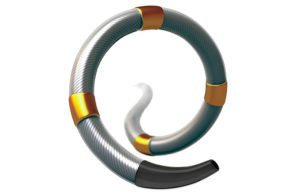
Symplicity Spyral delivers radiofrequency energy to nerves near the kidneys in a minimally invasive procedure to treat hypertension. These nerves can become overactive and contribute to high blood pressure. The RDN system holds approval for commercial use in more than 80 countries.
Medtronic received approval for the system in November 2023. Competitors include Recor Medical and its Paradise system, plus Boston Scientific through its acquisition of SoniVie.
Presentation 1
First, an analysis conducted with the global SYMPLICITY registry – DEFINE (GSR-DEFINE) looked at 787 patients with prior cardiovascular events. In the large, real-world population, Symplicity RDN delivered significant, consistent, amplified blood pressure reductions over three years. Investigators also reported few adverse events.
Results included an office systolic blood pressure (OSBP) change of 17.4 ± 28.4 mmHg compared with baseline and a 24-hour ambulatory blood pressure measurement (ABPM) change of -9.9 ± 21.5 mmHg compared with baseline. The number of antihypertensive (AH) medications did not increase at three years.
Adverse event rates at three years came in at 8.6% for death, 5.1% for cardiovascular death, 4.9% for myocardial infarction, 7.2% for stroke, 6.1% for hospitalization for new onset heart failure and 4.6% for hospitalization for hypertensive emergency. No safety events occurred and the rate of new renal artery stenosis landed at less than 1%.
The broader study population also showed meaningful blood pressure reductions during the same period. Medtronic said this suggested that Symplicity RDN proved broadly effective in real-world practice.
Presentation 2
Medtronic’s other presentation at EuroPCR 2026 evaluated long-term outcomes in severe hypertension from GSR-DEFINE. It looked at 903 patients with severe hypertension, with OSBP, ABPM, antihypertensive medication use and adverse events evaluated at each follow-up visit over a three-year period.
Patients with severe hypertension saw significant and sustained reductions in OSBP and ABPM at three years with Symplicity RDN.
OSBP change totaled -40 ± 28.9 mmHg compared with baseline. Twenty-four-hour ABPM came in at -16.3 ± 26.1 mmHg compared with baseline.
Investigators saw no increase in AH medications at three years. Adverse event rates at three years were 7.5% for death, 3.8% for cardiovascular death, 2.3% for myocardial infarction, 8.4% for stroke, 3.9% for hospitalization for new onset heart failure, and 5.1% for hospitalization for hypertensive emergency. Medtronic reported no safety events.