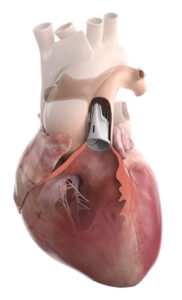
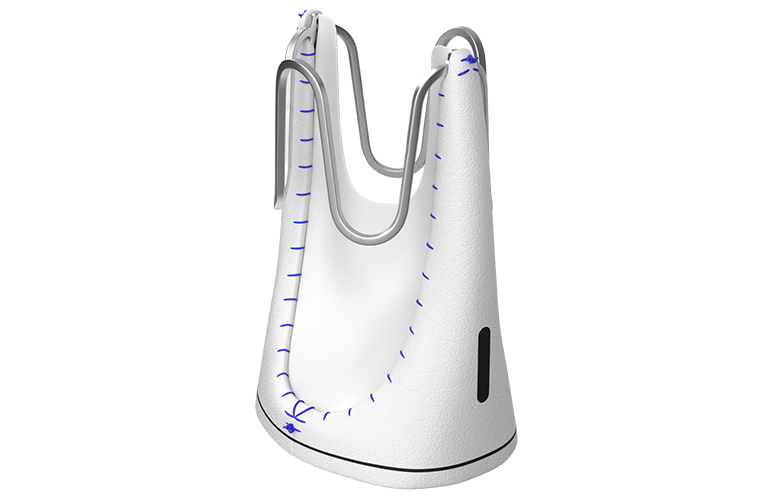
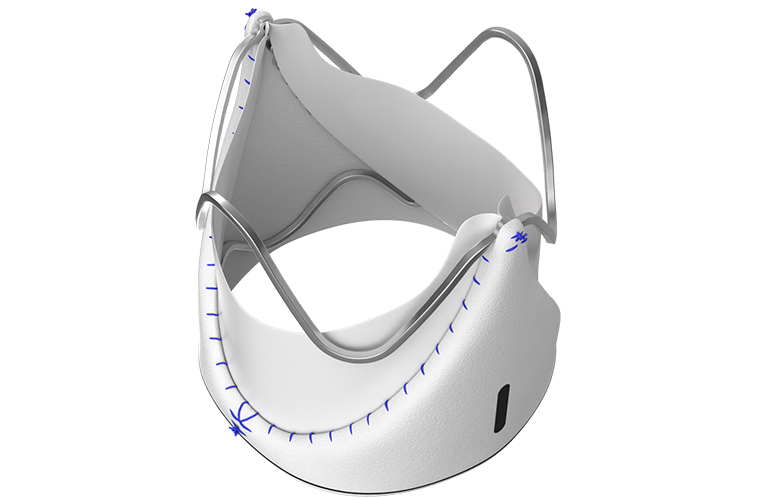
The first-of-its-kind valve is designed to expand as the child grows, reducing the need for repeat open-heart surgeries. It’s also the first artificial heart valve approved in the United States with polymeric material leaflets rather than animal-derived tissue leaflets.
“For decades, Edwards has worked to address the needs of structural heart patients with complex conditions, Edwards Lifesciences CEO Bernard Zovighian said in the announcement. “The Autus valve represents a meaningful advancement for children who have historically had limited treatment options. Our commitment extends beyond innovation to generating clinical evidence and collaborating with physicians, medical societies and patient groups to help address the evolving needs of patients with congenital heart disease.”
Related: This Edwards innovation may have solved the leading cause of tissue valve failure
The Autus valve can be initially implanted as small as 13 mm in diameter, the appropriate-sized valve for a toddler or preschool-age patient, FDA said. Over time, valve expansion is performed through a minimally invasive transcatheter procedure that widens the valve using a balloon catheter. The Autus valve can reach a maximum size of 22 mm, comparable to an adult-sized pulmonary valve.
Treatment of pediatric congenital heart disease may improve blood flow and repair congenital defects but, patients could also develop significant pulmonary regurgitation. Over time, this regurgitation weakens or enlarges the right ventricle and the need for a replacement valve increases as the child grows.
“The Autus size-adjustable valve gives doctors the option of far fewer trips to the operating room, which may result in better quality of life for these children and their families,” Tarver said.
Traditional animal-derived tissue leaflets harden and break down faster in children, FDA said, often causing earlier repeat surgeries. One-year follow-up data showed Autus’ polymeric material leaflets “hold up well over time,” according to the FDA. The approval marks the first time a valve with polymeric leaflets was approved for any indication.
FDA previously granted the valve Breakthrough Device designation. Autus was also the first pediatric approval from FDA’s Total Product Life Cycle Advisory Program (TAP).
At the six-month follow-up, 60 patients demonstrated acceptable hemodynamic performance and no more than mild regurgitation, FDA said. All patients who completed the one-year follow-up showed consistent outcomes with less than moderate pulmonary regurgitation and no valve reinterventions, the device developer said.
Patients will continue to be followed for 10 years to collect additional data to show that expansion can maintain a functional valve, leading to fewer surgical procedures.
“For far too long, children with congenital heart defects who need pulmonary valve replacement have had very limited surgical options, and those options have historically required multiple open-heart surgeries as children grow,” Acting FDA Commissioner Kyle Diamantas said. “Today’s landmark approval is a historic turning point and reflects the Trump Administration and the FDA’s commitment to help bring innovative, life-changing devices to the patients who need them most.”