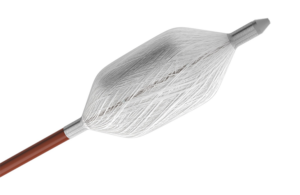
Flagstaff, Arizona-based Corvention’s device is indicated for balloon aortic valvuloplasty (BAV). The company says it provides interventionalists with an ultra-high-pressure solution for the precise dilation of stenotic aortic valves.
Corvention designed KardiaPSI to address the mechanical challenges of calcified valve anatomy. It delivers high-pressure dilation with controlled expansion and a short footprint for more predictability and accuracy during valvuloplasty procedures.
The company said its catheter features fiber-reinforced materials to maintain its profile and integrity under extreme pressures. Its precision sizing allows physicians to “dial up” treatment millimeter by millimeter. This optimizes anatomical fit while minimizing interaction with unwanted structures. The device also offers fast inflation and deflation using a single syringe/inflation device for procedural efficiency.
With FDA clearance, the company plans to conduct a controlled, phased market introduction.
Commentary from Corvention officials
Michael Franklin, CEO and co-founder, said:
“The KardiaPSI Balloon Catheter was developed to solve a fundamental problem in valvuloplasty: the inability to consistently and reliably deliver sufficient force with precise control in calcified anatomy. With ultra high-pressure capability and a short, stable working profile, KardiaPSI is designed to provide a level of predictability not achievable with conventional balloons. FDA clearance allows us to bring this capability into clinical practice, equipping physicians with reliable, high-performance tools that expand what is possible in complex cases. As we enter commercialization, we are committed to a disciplined, high-touch rollout and to being responsible stewards of the clinical spaces we serve, with a focus on supporting improved and durable patient outcomes.”
Dr. Scott Lim, chair of the company’s advisory board added:
“We needed a short, powerful and controlled BAV option, and The KardiaPSI technology is designed to meet that challenge head-on. This clearance allows us to begin the transition toward making this technology a standard component of the structural heart interventional toolkit.”

