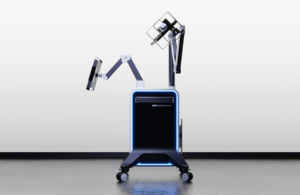
Boston-based Zeta Surgical designed its robotic platform for transcranial magnetic stimulation (TMS). The non-invasive therapy primarily targets treatment-resistant depression, among other behavioral health conditions. Those include obsessive-compulsive disorder (OCD), post-traumatic stress disorder (PTSD) and addiction disorders.
TMS modulates specific brain regions and neural circuits, requiring accurate and repeatable site targeting. Zeta designed its TMS Robotic System to provide real-time robotic positioning of TMS coils with submillimeter-level accuracy. The platform dynamically tracks patient movement and automatically adjusts coil position to maintain on-target stimulation delivery. It offers utility in rapid clinical deployment, with under a minute of setup time in virtually any point-of-care environment.
FDA clearance for the robotic stereotactic device follows several regulatory and commercial milestones for Zeta Surgical of late.
The Zeta TMS navigation system won FDA clearance in October 2025. The company boasts a range of FDA clearances for its technologies, including for expanded software functionality, mixed reality technology, AI-powered navigation capabilities. Most recently, it got the FDA’s green light for its navigated Stylet and Bolt instruments.
In May, the company reported the first commercial deployment of the TMS navigation system as well.
Commentary from Zeta Surgical leadership
Benjamin Lee, chief product officer of Zeta Surgical, said:
“The Zeta TMS Robotic System builds on the real-time image guidance already trusted in our TMS deployments. It uses that same guidance to dynamically adjust position throughout a session, without asking clinics to change how they already work. We designed this to make accurate care easier to deliver, session after session.”
Dr. William Gormley, co-founder of Zeta Surgical and a neurosurgeon at Mass General Brigham, said:
“This clearance brings operating-room-level navigation and robotic accuracy into a platform that can be rapidly deployed in virtually any clinic. By making precise and repeatable TMS delivery easier to integrate into routine clinical care, we believe the system can help expand access to advanced, targeted brain therapies for patients across the country.”

