• Skip to primary navigation
  • Skip to main content
  • Skip to primary sidebar
  • Skip to footer

MassDevice

The Medical Device Business Journal — Medical Device News & Articles | MassDevice

  • Special Reports
  • Technologies
    • Artificial Intelligence (AI)
    • Cardiovascular
    • Orthopedics
    • Neurological
    • Diabetes
    • Surgical Robotics
  • Business & Finance
    • Wall Street Beat
    • Earnings Reports
    • Funding Roundup
    • Mergers & Acquisitions
    • Initial Public Offering (IPO)
    • Legal News
    • Personnel Moves
    • Medtech 100 Stock Index
  • Regulatory
    • Food & Drug Administration (FDA)
    • Recalls
    • 510(k)
    • Pre-Market Approval (PMA)
    • MDSAP
    • Clinical Trials
  • Resources
    • About MassDevice
    • Leadership in Medtech
    • Manufacturers & Suppliers Search
    • MedTech100 Index
    • Videos
    • Webinars
    • Whitepapers
    • Voices
    • In-Depth Coverage
    • Latest News
  • Attend DeviceTalks
    • Events
      • DeviceTalks Minnesota – May 4
      • DeviceTalks Boston – May 27–28
      • DeviceTalks West
      • DeviceTalks Tuesdays
    • DeviceTalks Podcast Network
      • DeviceTalks Weekly
      • AbbottTalks
      • Boston ScientificTalks
      • DeviceTalks AI
      • IntuitiveTalks
      • MedtechWOMEN Talks
      • MedtronicTalks
      • Neuro Innovation Talks
      • Ortho Innovation Talks
      • Structural Heart Talks
      • StrykerTalks
  • Advertise
  • Subscribe
Home » Neuralink reportedly expects $1B in revenue by 2031 with hopes for more than 20,000 BCI implants

Neuralink reportedly expects $1B in revenue by 2031 with hopes for more than 20,000 BCI implants

July 24, 2025 By Sean Whooley

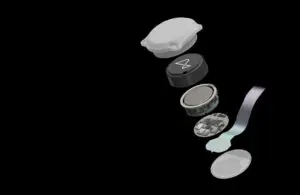
This Neuralink marketing image shows its coin-sized brain-computer interface separated into parts.
Neuralink says its brain-computer interface is fully implantable, cosmetically invisible, and designed to let a person control a computer or mobile device anywhere they go. [Image courtesy of Neuralink]

Bloomberg reports that brain-computer interface (BCI) maker Neuralink expects annual revenues to total at least $1 billion within six years.

According to the report, citing documents reviewed by Bloomberg, the Elon Musk-backed company expects FDA approval by 2029. Within two years, it then expects to have 20,000 BCI implants under its belt along with the billions in revenue.

Neuralink is one of many companies vying to be the first to bring a BCI implant to market. Last fall, analysts suggested a potential $400 billion market opportunity for BCIs. Notably, they forecast just under $1.5 billion in revenue generated by BCIs out to 2035, though. Neuralink, meanwhile, continues to add funding, with recent financings bringing its value past $9 billion.

The Neuralink Telepathy implant is one of the BCI systems that is moving closer to the highly anticipated approvals. The company completed the first human implant of its Telepathy BCI implant in January 2024. A second implant followed last year. A nine-minute livestream showed Noland Arbaugh using the Neuralink BCI to move a computer cursor and play chess online.

Telepathy, a remotely rechargeable implant goes along with electrode-laced threads that go further into the brain. The company also has an R1 robot designed to implant the BCI system while avoiding vasculature. It also received approval to launch a U.S. study for its N1 implant controlling a robotic arm.

Musk previously said he expected the total implants to reach “high single digits” in 2024. However, the company hit a snag over a potential wiring issue with the BCI in May 2024, saying that several threads retracted from the brain in the weeks following the first human implant. Neuralink also has a sight-restoring implant in the works.

According to Bloomberg, Neuralink plans to have five “large clinics” operating within this outlined six-year threshold. It expects at least three versions of its device available by then, the report says, citing a recent investor presentation.

State of play in the BCI implant space

Precision Neuroscience may have gotten a leg up on the BCI field in April, picking up FDA 510(k) clearance for its Layer 7 cortical interface for BCI technology. The company says it’s the first full regulatory clearance granted to a company developing a next-generation wireless BCI.

More companies are working toward bringing BCI’s to market, too, with Synchron advancing its own Stentrode platform, becoming the first BCI maker to achieve native integration with a new Apple protocol. As of this past spring, Onward has completed a number of BCI implants as well, while Paradromics moves closer to the launch of its own BCI trial.

Elsewhere, Science Corporation — founded by a Neuralink co-founder — submitted its own sight-restoring BCI for CE mark in June. InBrain Neuroelectronics is also accelerating its own BCI development through new funding, while a hospital in China has launched the country’s first-in-human clinical trial of an invasive BCI.

Other recent BCI developments include first-in-human cases for Axoft, funding for Phantom Neuro and the formation of a new BCI company through the merger of Kandu Health and Neurolutions.

For more on the space, MassDevice has compiled lists of BCI and neurotech companies you need to know in recent years:

  • 2024 – Another 5 brain-computer interface companies you should know
  • 2024 – 7 neurotech companies you need to know
  • 2023 – 5 more brain-computer interface companies you need to know
  • 2022 – 7 brain-computer interface companies you need to know

Learn more about BCIs and some of the players in the space HERE.

Filed Under: Brain-Computer Interface (BCI), Business/Financial News, Featured, Health Technology, Implants, Neurological, Wall Street Beat Tagged With: neuralink

More recent news

  • Medtronic hires former Recor CEO to run interventional cardiology group
  • Abbott wins FDA approval for Aveir VR Mini ventricular leadless pacemaker
  • Dexcom CFO to expand into COO role
  • Powerful Medical announces FDA De Novo nod for AI ECG and other extra medtech news
  • XCath Robotics receives FDA breakthrough nod for Iris system

About Sean Whooley

Sean Whooley is a senior editor who mainly produces work for MassDevice, Medical Design & Outsourcing and Drug Delivery Business News. He received a bachelor's degree in multiplatform journalism from the University of Maryland, College Park. You can connect with him on LinkedIn or email him at [email protected].

Primary Sidebar

Cart

“md
EXPAND YOUR KNOWLEDGE AND STAY CONNECTED
Get the latest med device regulatory, business and technology news.

DeviceTalks Weekly

See More >
MDO ad
MDO ad

Footer

MASSDEVICE MEDICAL NETWORK

DeviceTalks
Drug Delivery Business News
Medical Design & Outsourcing
Medical Tubing + Extrusion
Drug Discovery & Development
Pharmaceutical Processing World
MedTech 100 Index
R&D World
Medical Design Sourcing

DeviceTalks Webinars, Podcasts, & Discussions

Attend our Monthly Webinars
Listen to our Weekly Podcasts
Join our DeviceTalks Tuesdays Discussion

MASSDEVICE

Subscribe to MassDevice E-Newsletter
Advertise with us
About
Contact us

Copyright © 2026 · Arrowfly LLC and its licensors. All rights reserved.
The material on this site may not be reproduced, distributed, transmitted, cached or otherwise used, except with the prior written permission of Arrowfly.

Privacy Policy