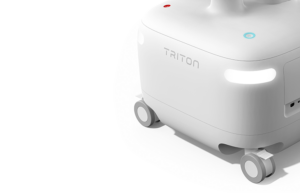
The Triton 1 flexible endoscopy system is designed to reach anywhere within the colon for both diagnostic and therapeutic procedures, including screenings for colorectal cancer as well as the removal of early-stage tumors and precancerous growths.
According to the company, endoscope instability with traditional, hand-controlled methods still contributes to missed polyps and post-colonoscopy cancer rates, despite years of provider experience and training.
At the same time, gastrointestinal specialists see high rates of on-the-job injuries due to the ergonomic strains of performing the procedure, which is one of the most common in the U.S.
“Triton has the potential to fundamentally transform colonoscopy, creating a better experience for both physicians and their patients,” Neptune Medical CEO Alex Tilson said in a statement. “We are using this generation of the Triton system to build on the evidence from our recent trial and to learn from endoscopists how robotics should integrate into their workflow — insights that will directly shape our next-generation platform.”
The company put forward positive results from its first-in-human clinical trial earlier this year, showing that Triton could reach the very start of the large intestine, near the appendix, in 100% of procedures with zero complications.
With 50 participants, the study also delivered an adenoma detection rate of 54.2%, with no need to reposition patients, deliver abdominal pressure or switch to manual colonoscopy. Clinicians also reported a two-thirds lower ergonomic burden compared to hand-guided procedures.
Neptune Medical previously raised $97 million in mid-2024 through a Series D venture capital round, and has tapped Nvidia AI platforms for its development, as well as named robotic surgery pioneer Fred Moll as chair of its board.