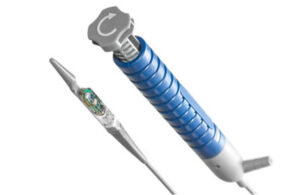
Medtronic recalled the device “due to a risk of attachment and detachment issues related to the system’s delivery system,” a Medtronic spokesperson told MassDevice.
“To ensure the safety of our patients, we have taken the necessary steps to retrieve the recalled products and notified regulatory agencies globally as appropriate.”
The Bravo system helps physicians diagnose gastroesophageal reflux by placing a pH monitoring capsule on the patient’s esophageal mucosal wall to measure pH and transmit the data to an external recorder on the patient’s waist.
Bravo CF capsules included in the recall “may not attach to the patient’s esophagus or detach from the delivery device as intended,” Medtronic said in the FDA Early Alert. The company said a problem with the component that controls the capsule’s deployment may be linked to the failures.
The company said failing to keep the delivery device straight, as described in the User Guide, could worsen the deployment control issue.
Risks associated with the attachment and detachment issue include obstruction of the patient’s airway, aspiration/inhalation, perforation and/or laceration of the esophagus, hemorrhage, blood loss, bleeding, delay in diagnosis and foreign bodies remaining in the patient, the FDA said.
As of August 10, 2026, Medtronic has reported 184 serious injuries and no deaths linked to this issue.
Last year, Medtronic recalled a subset of lots included in this most recent recall due to the same issue. While the device failure was the same in both recalls, Medtronic said a different underlying cause triggered the June 2025 recall.
Medtronic warned customers to identify, quarantine and avoid using affected delivery devices until they can be returned for replacement, the company said in an August 6 letter. Lots with an expiration date of December 10, 2027 or later are not affected by the recall.
Medtronic sells its Bravo CF system through its Given Imaging subsidiary. Covidien acquired Given Imaging for $860 million in 2014. Medtronic inherited the company after it purchased Covidien for $50 billion.