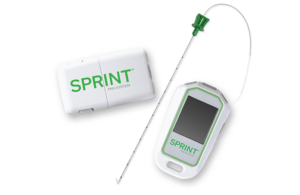
Cleveland-based SPR Therapeutics develops temporary, percutaneous peripheral nerve stimulation (PNS) therapies for chronic pain management. Its FDA-cleared Sprint PNS system provides short-term, 60-day therapy. The system provides pain relief through a temporary treatment approach, requiring no permanent implant. SPR’s therapy integrates into existing clinical workflows and enables physicians to intervene earlier to expand patient access.
Medtronic’s latest acquisition marks another expansion of a core franchise, with SPR set to join the Neuromodulation unit within the Neuroscience portfolio, which just lost its longtime president with the announcement of Brett Wall’s upcoming departure.
The medtech giant already offers a range of implantable neuromodulation systems. This acquisition adds a complementary, minimally invasive pain relief option for earlier in the care continuum. It comes a few months after Boston Scientific made its own PNS play with the $600 million acquisition of Nalu Medical.
Medtronic agreed to pay $650 million in cash upfront for all outstanding equity in SPR. It expects the deal to close within the first half of its fiscal year 2027, which officially began on April 25, 2026. Until closing, the companies plan to operate as separate and independent entities.
Commentary from Medtronic and SPR Therapeutics officials
Domenico De Paolis, interim president of Medtronic’s Neuromodulation unit, said:
“Our purpose first and foremost is to serve patients. That is why we continue to thoughtfully expand our pain intervention therapies. The addition of temporary peripheral nerve stimulation helps broaden access to neuromodulation and supports patients across more stages of the chronic pain journey with a minimally invasive therapy.”
Maria E. Bennett, president and CEO of SPR Therapeutics, said:
“Guided by our credo to advancing meaningful, patient-centered innovation in pain medicine, our agreement with Medtronic marks a pivotal step forward. Together, we will reach more patients helping them find relief earlier in their care journey to reclaim their lives and get back to what matters most.”