The new payment rule, finalized under the Outpatient Prospective Payment System (OPPS), grants payment for Sensora exams in outpatient settings. This ensures hospitals and health systems can receive reimbursement for AI-enabled cardiac detection at the point of care.
This marks the latest reimbursement win for Eko, which last year earned new CPT codes from the American Medical Association for Sensora.
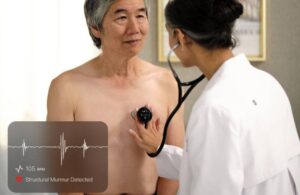
Sensora uses AI in cardiac disease detection with its smart stethoscope technology. In addition to low EF and structural heart murmur, the platform features an FDA-cleared algorithm for identifying AFib. It seamlessly integrates with the Eko Core 500 digital stethoscope, which embeds advanced ECG technology in a tool for providers. Using the smart stethoscope, providers can quickly detect abnormal heart rhythms during a routine physical exam.
Eko says that the finalized rule establishes a national payment rate recognizing the clinical and economic value of using AI to support the early identification of heart disease within standard outpatient workflows.
The company plans to continue working with hospitals, networks and payers to support adoption, training and reimbursement across outpatient and ambulatory care settings.
“This is a defining step toward making AI-assisted cardiac disease detection accessible to more patients across the country,” said Connor Landgraf, co-founder and CEO of Eko Health. “The CMS ruling confirms that earlier cardiac disease detection is clinically valuable and will now be financially supported, allowing hospitals and clinicians to integrate this technology sustainably into everyday care. We are proud to help advance the national effort to reduce preventable cardiac deaths through smarter, more connected care.”
(Medical Design & Outsourcing: How Eko Health’s AI-powered stethoscope detects early signs of heart failure.)