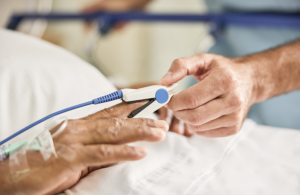
The enhanced sensor incorporates internal optical refinements to further improve signal quality and measurement consistency. Amsterdam-based Philips says it supports reliable SpO₂ measurements across diverse patient populations and clinical conditions.
Pulse oximetry provides critical information to assess a patient’s oxygenation status. Philips says it takes a comprehensive approach to developing and evaluating sensor technologies to ensure signal quality in the face of a range of physiological, clinical and technical factors.
The company backed its reusable clip sensor with its pulse oximetry validation program. This evaluates performance across diverse patient populations, including varying skin tones and a range of physiological and clinical conditions.
Desaturation studies demonstrated an Accuracy Root Mean Square (ARMS) value of 1.6%, which is nearly twice as accurate as the 3% level recommended by ISO and recognized by the FDA. The sensor also demonstrated consistent performance across a broad range of skin tones. Accuracy varied by less than 0.5% between the light and dark skin pigmentation groups evaluated within an SaO₂ range of 85-100%.
Philips plans to roll out the new sensor in select markets across the globe later this year.
Sachin Chaudhari, category leader, Clinical Measurements and Specialty Monitoring at Philips, said:
“Providing clinicians with reliable data to deliver better care to more people is at the heart of everything we do. This FDA clearance reflects our ongoing investment in advancing sensor technology and rigorous validation practices, and we’ll continue applying these innovations across our pulse oximetry portfolio so clinicians can make care decisions with even greater confidence.”