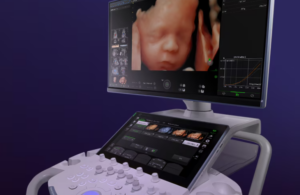
The agreement aims to accelerate the integration of Diagnoly’s Fetoly solution with GE HealthCare’s Voluson women’s health ultrasound systems.
Fetoly, an FDA-cleared and CE-marked real-time AI solution, delivers comprehensive and standardized fetal ultrasound examinations. It aims to give clinicians AI-powered clinical diagnostic support for fetal heart and brain analysis while continuously verifying exam completeness and quality criteria in real time.
GE HealthCare expects this capability to further enhance its Voluson portfolio, supporting optimal care.
The Chicago-based company designed its Voluson systems to integrate AI, advanced tools and an ergonomic design. They speed exam time for clinicians while delivering a clearer picture of various conditions impacting women’s health. The latest systems combine high-performance hardware with flexible, scalable software to help increase confidence in diagnostic and treatment decisions.
GE HealthCare launched the Voluson Signature 20 and 18 ultrasound systems in 2024.
Commentary from GE HealthCare and Diagnoly officials
Gerald Seifriedsberger, GM, Women’s Health Ultrasound, GE HealthCare, said:
“AI is redefining what’s possible in healthcare, and GE HealthCare is at the forefront of this movement, as an industry leader bringing AI-powered innovations to clinicians. This collaboration with Diagnoly further expands our ability to integrate advanced AI-based screening support into Voluson ultrasound, helping elevate care for women and their babies.”
Ivan Voznyuk, co-founder and CEO of Diagnoly, said:
“Obstetric ultrasound remains one of the most powerful, but also complex imaging techniques. As a result, up to 50% of fetal abnormalities remain undetected during pregnancy. At Diagnoly, we believe AI can play a transformative role in making high‑quality screening more accurate, accessible and consistent. The integration of Fetoly into trusted Voluson ultrasound systems reflects our shared commitment to supporting clinicians in real-time with tools that can help improve maternal and fetal outcomes.”