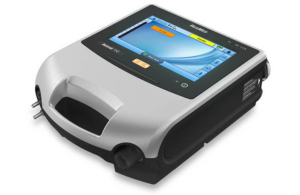
In its communication, the FDA said Resmed issued a letter to affected customers recommending the correction of certain Astral 100 and Astral 150 ventilators as soon as replacement parts become available. Patients should not stop using the ventilator unless instructed by a clinician.
The alert covers Astral 100 and 150 ventilators and PCBA spare parts built prior to October 2024. These devices provide continuous or intermittent mechanical ventilatory support to patients at home, in the hospital and in portable situations. Interrupted or failed therapy can result in serious injury or death.
On June 25, Resmed told customers to determine whether the main board installed in their ventilator is affected by the issue. Customers should ensure that they have backup ventilation equipment available while awaiting the company’s correction.
Resmed said that a subset of the ventilators have a component, called a supercapacitor, that may leak over time. Leakage can damage specific circuitry on the printed circuit board assembly (PCBA). This can result in the ventilator inadvertently entering a fail-safe state.
If this happens while the ventilator delivers therapy, therapy stops, and a high-priority audible alarm (maximum volume) activates. The user interface may display therapy alarms. If the issue occurs with the ventilator in standby, a maximum volume alarm activates. If therapy is initiated, therapy will not start.
In these cases, the ventilator can no longer deliver therapy. As of June 23, Resmed reports five serious injuries and no deaths associated with the issue.
Resmed said that, at this time, there remain constraints with the availability of PCBAs. As a result, the company can not immediately correct all affected ventilators. So, it said it is implementing a prioritized and phased approach initially focused on inspection and risk mitigation activities during routine service interactions for patients at highest clinical risk.
The company said it continues to evaluate potential additional corrective action pathways. It also expects supply constraints to affect the availability of new Astral ventilators.