
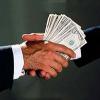
Medical device makers with overseas operations may have to tread more carefully in light of a recent Justice Dept. decision to ding British orthopedic titan Smith & Nephew (NYSE:SNN) for $22 million to settle bribery charges.
Beyond the stiff penalty, the decision may also represent a shift in the way the SEC and DOJ view government entities in foreign countries, according to the American Health Lawyers Assn.
The case hinged, in part, on the government’s conclusion that entities owned by foreign governments are themselves government bodies, meaning that improper payments made to a doctor at a publicly owned hospital can constitute bribery of a foreign official, according to the legal group.
"This enforcement posture poses special risks for medical device companies because many of the individuals involved in the purchase of medical devices may appear to be private citizens, yet could be deemed foreign officials by the SEC and DOJ," John Kelly and Taylor Philips of the Tennesee-based law firm Bass, Berry & Sims PLC wrote for the AHLA.
Smith & Nephew paid $22 million to settle allegations that Smith & Nephew subsidiaries used a distributor that created a "slush fund" to bribe doctors working at government hospitals in Greece.
The company and its U.S. arm reached a settlement with the government watchdog agency, closing a years-long investigation in which Smith & Nephew probed its own subsidiaries and voluntarily reported findings of improper conduct to the SEC and DOJ.
Read more medical device legal news from MassDevice.com
 Zimmer wins Texas tax exemption for specialized surgical instruments
Zimmer Holdings (NYSE:ZMH) got some love from the legal system when a Texas Court of Appeals agreed that certain Zimmer specialized surgical devices were exempt from sales and use taxes. Read more
U.S. Attorney’s office collects $1.67 billion in health care fraud recovery from Massachusetts
The U.S. Attorney’s office recovered $1.67 billion in health care fraud cases in Massachusetts in 2011. The Bay State made up for about 40% of all recoveries nationwide for the year.
The total recovered in Mass. since 2000 now comes to more than $8.5 billion, according to a press release. Device makers on the hook in 2011 included St. Jude Medical (NYSE:STJ) and Abbott Labs (NYSE:ABT). Read more (pdf)